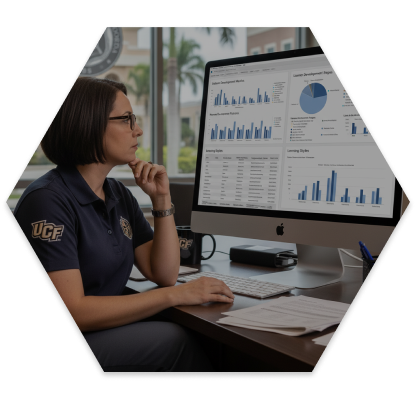
The Learn to Start Institute at the University of Central Florida

The Learn to Start Institute at the University of Central Florida, developed in partnership with the One Idea Foundation, is designed to expand access to the Learn to Start (LTS) model while strengthening teacher training, research, and experiential learning opportunities across the university and the broader Orlando community.

Built as a collaborative relationship with UCF’s academic ecosystem, the Institute creates a centralized hub where students, educators, and industry partners can engage deeply with the LTS approach.

UCF Academy: Connecting Students to Real-World Experience

Through a partnership with UCF’s Experiential Learning Internship Program, the Institute offers students a structured pathway to earn internship credit while completing LTS coursework. Students participate in the LTS Blueprint experience and build a professional portfolio that documents their development and emerging identity. Each student works with both an LTS-trained UCF mentor and an industry mentor, ensuring high-touch support and real-world guidance. Professors from all UCF colleges can make the program available to their students and are invited to observe LTS training sessions as part of their own professional development.
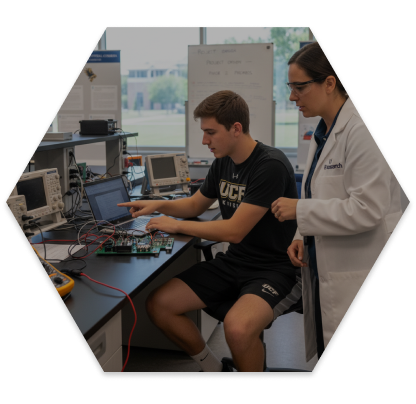
Ucf Students
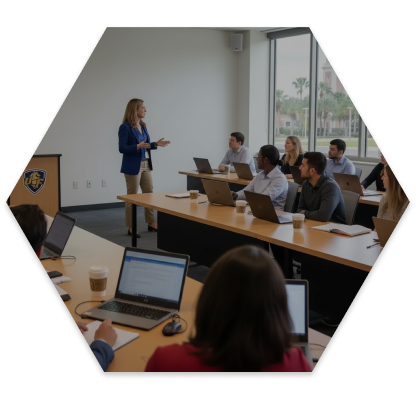
instructor Training

Instructor Training: Preparing Academic and Industry Educators

The Institute serves as a training center for instructors from both academic institutions and industry partners. Trainings are held on the UCF campus and introduce participants to the LTS pedagogy, human development framework, and portfolio-based assessment. Graduate students may audit these sessions to learn the model and, potentially through a case-study course, practice running LTS sessions with fellow students.

Research: Advancing the Understanding of Human Development and Learning

The Institute supports ongoing research into the LTS model and related topics. Areas of focus include longitudinal outcomes for LTS students, use of the LTS portfolio beyond the classroom, teacher sense of relevance, student peer-community development, and administrative perceptions of cultural impact. These studies contribute to LTS program improvement and to the wider conversation about the science of learning.

Research Advancing